
Wait—Is American Wagyu Legit?
The answer? It’s complicated. Here’s what you need to know to make sure you don’t get scammed.

If you’ve ever hovered in front of a butcher case or paused before hitting “add to cart,” you’ve probably asked this question: Is American Wagyu “real” wagyu?
The short answer: American Wagyu can absolutely be real wagyu, but “real” depends on genetics, grading, and how your steak is labeled. Let’s talk about it.
What Makes American Wagyu “Real”
American Wagyu is considered real wagyu when it meets one core requirement: the cattle have verified Wagyu genetics.
That genetic connection can look different from ranch to ranch, which is why there are loads of myths and controversies around whether American Wagyu is real or not.
Fullblood American Wagyu
One-hundred-percent wagyu genetics, bred from Japanese lineage, raised entirely in the U.S. This is the closest American equivalent to Japanese Wagyu, but it’s extremely rare.
Crossbred American Wagyu
Wagyu crossed with other breeds (usually angus). Still real wagyu, but with a different balance of marbling, texture, and beef flavor. Both are legitimate, but they deliver very different eating experiences.
What trips people up is that the use of the word “wagyu” isn’t tightly regulated in the U.S. That means the label often won’t disclose how much wagyu influence was actually in the beef, which means “wagyu” could mean anything from fullblood to very, very low percent parentage—hence why so many people ask if American wagyu is legit.
Credible American wagyu producers like Mishima Reserve back their claims with traceability, genetic verification, and transparent labeling, making it simpler to tell what you’re really buying.
What “Wagyu” Actually Means
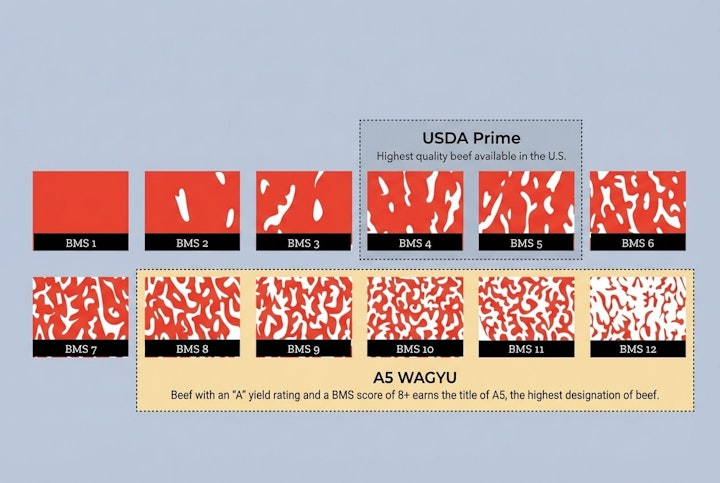
The word wagyu literally translates to “Japanese cow.” It originally referred exclusively to cattle breeds raised in Japan that are prized for extreme marbling and buttery tenderness—hence the popularity of Japanese Wagyu.
In Japan, wagyu beef is raised under strict rules, documented from birth through butcher with certifications and government-backed tracking, and graded by a rigorous system that measures yield, marbling, color, and texture.
So when purists talk about Wagyu, they’re often thinking of Japanese Wagyu—the original, high-control version with centuries of breeding history.
Why American Wagyu Exists
In the U.S., Wagyu genetics arrived decades ago when Japanese Wagyu cattle were first imported and bred with local cattle. Today, American Wagyu refers to cattle born and raised in the United States with Wagyu genetics—sometimes 100% pure Wagyu bloodlines, but more often crossbred with angus or other breeds.
Most importantly, American Wagyu is real wagyu as long as it traces back to Wagyu genetics—even if it’s crossbred.
The problem is that, in the U.S., the term wagyu isn’t regulated the same way it is in Japan or Australia, the world’s other major wagyu beef producer.
Some beef labeled “American Wagyu” might be only 50% wagyu or less, blended with angus or other cattle.
Until recently, there wasn’t a standard way to certify whether wagyu beef from America was genuinely wagyu-based—meaning marketing often became the story instead of genetics.
That’s why the American Wagyu Association and USDA just introduced an Authentic Wagyu label, backed by DNA verification and traceability, so consumers can actually know what they’re buying.
How American Wagyu Compares to Japanese Wagyu
Genetics & Grading
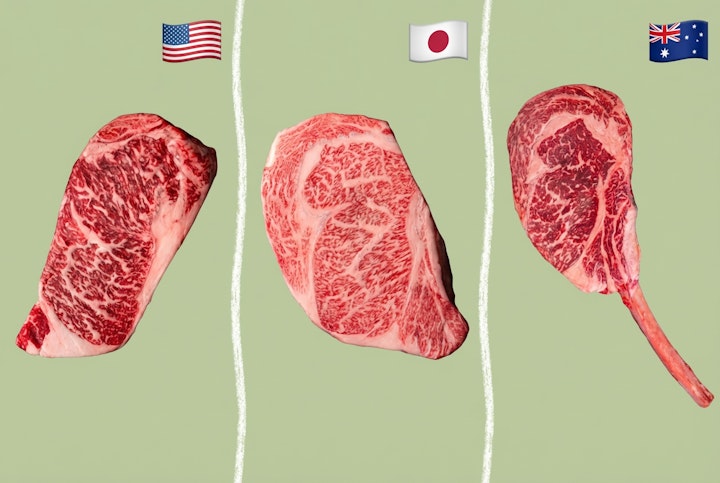
Japanese Wagyu (and Australian Wagyu) is graded by a system that includes intramuscular marbling (BMS) and can reach the highest marbling scores in the world. American Wagyu often uses USDA grading or the producer’s internal marbling scores.
Flavor & Texture
Japanese Wagyu tastes extremely rich, with fat that melts at a lower temperature and delivers a buttery mouthfeel.
American Wagyu delivers meatier, beefier flavor with plenty of marbling, but a slightly firmer texture that some steak lovers prefer for grilling or pan-searing.
Availability & Price
Japanese Wagyu is limited and expensive due to export controls and strict production methods. American Wagyu is more accessible in price and access.
So Is American Wagyu “Real”?
If it’s from cattle with documented Wagyu genetics:yes, it’s real wagyu.
If it’s fullblood Wagyu or certified Authentic Wagyu: absolutely.
If it’s crossbred Wagyu with only a trace percentage: it’s Wagyu-influenced, delicious beef and, while unlike Japanese Wagyu, still American wagyu by definition.


